


BioWare’s Dragon Age franchise has reached a crossroads. While Dragon Age: The Veilguard earned many positive reviews and was even named Game of the Year by Time magazine, its sales failed to meet EA’s expectations. This disappointment, combined with the near-total departure of the original Dragon Age team, has left the series' future in question. Many veteran writers and designers were either laid off or reassigned to the Mass Effect team, leaving only fragments of the original creative vision behind.
Now, with BioWare focused on Mass Effect 4, the idea of another studio taking the reins of Dragon Age seems more plausible than ever. If that happens, a radical approach could preserve the franchise’s spirit while letting it evolve: take a page from Mass Effect: Andromeda and build a spin-off that exists within the universe, but doesn’t carry the burdens of past decisions.

8 Best BioWare Sequel Games, Ranked
Sequels don't always hit hard, but the following from BioWare's roster of games did a decent job of delivering when they launched.
Mass Effect: Andromeda Set A Bold Precedent
Mass Effect: Andromeda moved the franchise light-years from its original storyline. By setting its narrative in a distant galaxy, it avoided the complex and often contradictory choices of the Shepard saga. While the execution was flawed, the concept was powerful — it created room for new characters, new politics, and a different kind of narrative structure, all while maintaining a familiar tone and gameplay loop.
Dragon Age could benefit from a similar pivot. The secret ending of The Veilguard, which teases a catastrophic event, could serve as a natural bridge to a fresh timeline or distant setting. Instead of revisiting Ferelden or Tevinter, a future game might explore uncharted regions like the far reaches of the Fade or even new continents referenced but never seen.
Mass Effect: Andromeda introduced two playable protagonists, Ryder siblings, offering both gender options and a unique narrative path involving family. A similar yet expanded approach in a Dragon Age spin-off could allow players to explore different social classes or cultures, such as the Qunari diaspora or Rivaini mysticism.
Dragon Age Must Learn From Andromeda’s Flaws
Although Mass Effect: Andromeda had a strong premise, its rushed development cycle undermined the final product. Animation bugs, underdeveloped characters, and a story that felt unfinished left some fans disappointed. The game launched before it was ready, the result of internal studio conflict and pressure from EA to meet deadlines.
If Dragon Age follows the same structural path, it must avoid the same pitfalls. That means giving the new team (whether BioWare or a partner studio) the time and resources to polish the game properly. Andromeda was also criticized for lacking emotional weight compared to its predecessors. A Dragon Age spin-off cannot afford to neglect character writing, party dynamics, or the nuanced morality that defines the series.
Feedback loops can dramatically shape games post-launch. Despite its rocky start, Andromeda eventually improved through patches and community feedback. A new Dragon Age game could benefit from early player engagement and longer preview cycles, similar to how Larian Studios developed Baldur’s Gate 3 through early access.
Dragon Age Should Explore Andromeda’s Combat Shift
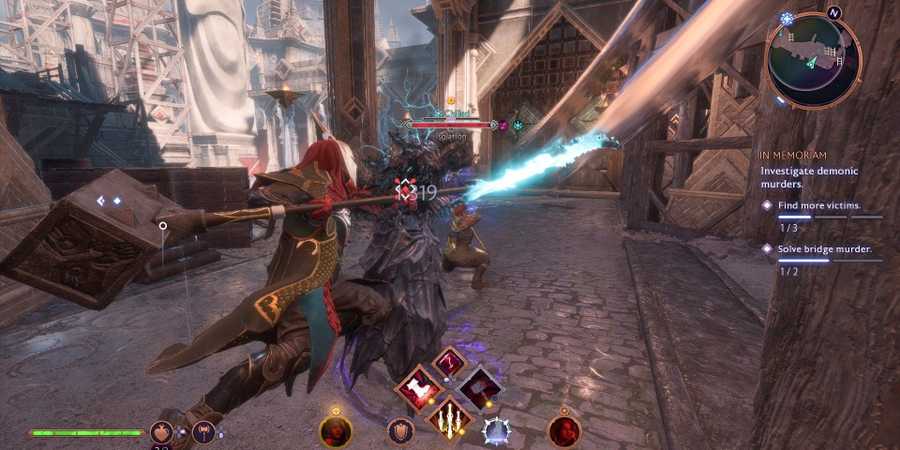
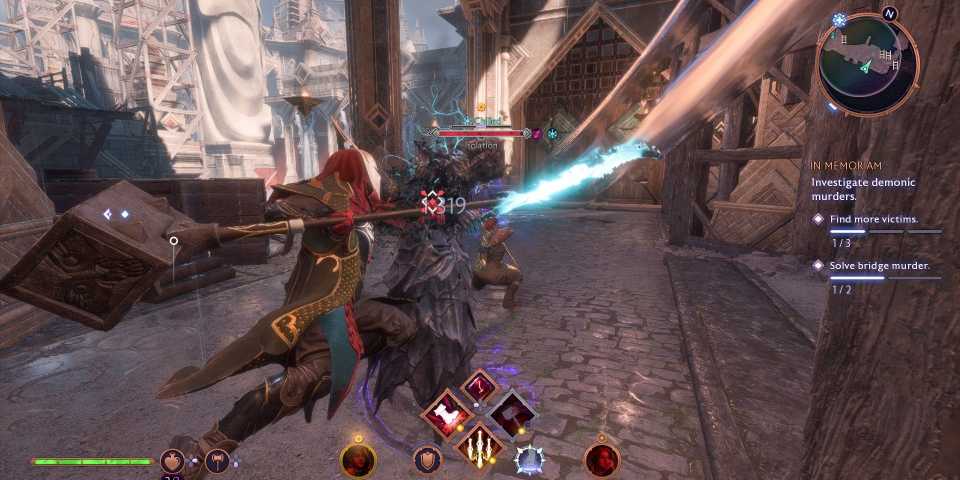
Combat was one of Mass Effect: Andromeda’s strengths, even if the rest of the game stumbled. Its real-time, high-mobility system featured jump jets, biotic chaining, and weapon variety, offering players freedom to experiment with loadouts and tactics. Dragon Age: The Veilguard moved toward a similar combat identity, prioritizing responsive controls, combo-based damage, and skill wheel integration.
A future Dragon Age title should go all-in on its chosen combat style. If it wants to pursue action systems, it needs to fully support them with responsive AI, impactful animations, and gear that meaningfully changes playstyles. If it returns to a tactical structure like Dragon Age: Origins, it must commit to slower, party-oriented gameplay. Andromeda’s downfall wasn’t its mechanics; it was a mismatch between gameplay innovation and undercooked storytelling. A Dragon Age spin-off has a chance to unify both.
Dragon Age Could Thrive With A Fresh Start
Like Andromeda, a new Dragon Age game should consider breaking from the baggage of legacy choices. The Veilguard handled this issue by softening the impact of world-state carryovers, but it still operated under the expectation that players would remember everything from past titles. A clean slate would allow new fans to jump in and give the developers narrative freedom without alienating veterans.
There’s precedent for this working. Star Wars Jedi: Survivor, developed by Respawn, carved out its own canon space while delivering tight action and focused storytelling. If EA lets a new studio approach Dragon Age in the same way, the result could be a revitalized franchise that remains true to its tone, but no longer chained to two decades of decision trees.


Dragon Age: The Veilguard



-
 OpenCritic Reviews
- Top Critic Avg: 80 /100 Critics Rec: 71%
- Released
- October 31, 2024
- ESRB
- M For Mature 17+ // Blood, Nudity, Sexual Themes, Strong Language, Violence
- Developer(s)
- BioWare
- Publisher(s)
- Electronic Arts







WHERE TO PLAY






- Engine
- Frostbite
- Genre(s)
- RPG
